Healing through Creativity Exploring Art Therapy Techniques for Veterans Managing Stress and Anxiety
- Ty Kelly

- Jan 26
- 4 min read
Stress and anxiety affect many veterans as they transition from military to civilian life or cope with the lasting effects of their service. Traditional therapies help, but creative approaches like art therapy offer unique ways to express emotions and find relief. Art therapy uses creative activities such as painting, drawing, and sculpting to support mental health. These methods allow veterans to explore feelings that may be difficult to put into words, providing a safe space for healing.
This post explores several art therapy techniques tailored for veterans, highlighting how each can help manage stress and anxiety. Alongside the benefits, real-life success stories illustrate the power of creativity in recovery.
Painting as a Path to Emotional Release
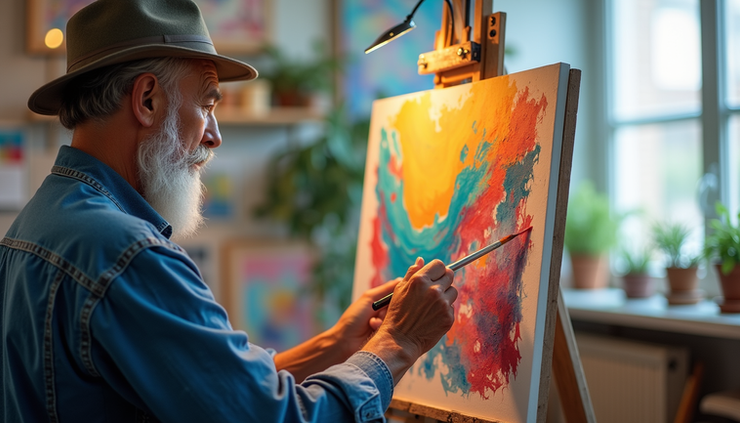
Painting offers a direct way to express complex emotions through colors, shapes, and textures. For veterans, painting can serve as a nonverbal outlet for feelings related to trauma, loss, or uncertainty.
Benefits of Painting
Emotional expression: Painting helps externalize feelings that may be hard to talk about.
Mindfulness and focus: The act of painting requires attention, which can reduce racing thoughts and anxiety.
Sense of accomplishment: Completing a painting boosts confidence and self-worth.
How Veterans Use Painting
Veterans often start with abstract painting, using bold colors to represent emotions like anger or sadness. Over time, some move toward more detailed images that tell personal stories or symbolize hope and resilience.
Example: A veteran struggling with PTSD began painting stormy seascapes to represent inner turmoil. Gradually, the scenes shifted to calmer waters, reflecting progress in managing anxiety. This visual journey helped the veteran track emotional healing and communicate experiences to therapists.
Drawing for Reflection and Clarity
Drawing is accessible and flexible, requiring minimal materials and space. It encourages veterans to slow down and observe their thoughts and surroundings.
Benefits of Drawing
Improves concentration: Drawing detailed images demands focus, which can calm the mind.
Encourages self-reflection: Sketching personal symbols or memories helps veterans process experiences.
Enhances communication: Drawings can open dialogue with therapists or support groups.
Drawing Techniques for Veterans
Free drawing: Allowing spontaneous sketches to flow without judgment.
Symbolic drawing: Creating images that represent feelings or events.
Guided drawing: Following prompts to explore specific themes like safety or strength.
Example: One veteran used symbolic drawing to depict a “safe place” during moments of anxiety. This image became a mental anchor, helping to reduce panic attacks by visualizing calmness.
Sculpting to Build Strength and Presence
Sculpting engages the body and mind, offering a tactile way to work through emotions. The physical act of shaping materials can be grounding and empowering.
Benefits of Sculpting
Physical engagement: Using hands to mold clay or other materials connects veterans to the present moment.
Stress reduction: The repetitive motions involved in sculpting can soothe anxiety.
Creative problem-solving: Sculpting challenges veterans to think in three dimensions, promoting mental flexibility.
Sculpting Projects for Veterans
Clay figures: Creating small sculptures that represent personal stories or emotions.
Relief sculptures: Carving or molding images that express struggles or hopes.
Collaborative sculptures: Working in groups to build shared pieces, fostering connection.
Example: A veteran sculpted a figure representing resilience after returning from deployment. The process helped transform feelings of vulnerability into strength, reinforcing a positive self-image.
How Art Therapy Complements Traditional Treatments
Art therapy does not replace medical or psychological care but works alongside it. Many veterans find that creative activities help them open up during counseling or reduce symptoms between sessions.
Nonverbal communication: Art provides a way to express trauma without needing to speak directly about it.
Building trust: Sharing artwork can create bonds between veterans and therapists.
Encouraging routine: Regular art sessions offer structure and a positive focus.
Real-Life Success Stories
Story 1: Painting Through PTSD
John, a former infantry soldier, struggled with flashbacks and anxiety. Through weekly painting sessions, he learned to channel his feelings into abstract art. His therapist noticed improvements in his mood and ability to discuss difficult memories. John credits painting with giving him a new way to cope.
Story 2: Drawing for Connection
Maria, a veteran with social anxiety, used drawing to prepare for group therapy. By sketching her feelings beforehand, she felt more confident sharing in the group. The drawings became conversation starters, helping her build friendships and reduce isolation.
Story 3: Sculpting for Mindfulness
David found sculpting clay calming during stressful times. The hands-on work helped him stay grounded and manage panic attacks. Over months, he created sculptures symbolizing his journey, which boosted his self-esteem and sense of control.
Getting Started with Art Therapy
Veterans interested in exploring art therapy can begin with simple steps:
Gather basic supplies: Paper, pencils, paints, and clay are affordable and easy to find.
Set aside time: Even 15 minutes a day can make a difference.
Focus on process, not product: The goal is expression, not perfection.
Seek support: Join local art therapy groups or work with a licensed art therapist.
Many veterans’ organizations and community centers offer art therapy programs tailored to military experiences. These provide safe spaces to create and connect with others who understand the challenges of service.


Comments